A Feminist Take on Nuclear Weapons in Germany – CFFP x ICAN
With the Russian invasion of Ukraine, the discussion around nuclear weapons has reached a new high. At the same time, more and more states are open to a Feminist Foreign…


Germany has a reputation of military restraint Feminist and peace-building civil society, despite criticism of the deeply entrenched militarisation of German foreign policy.
Learn More Learn More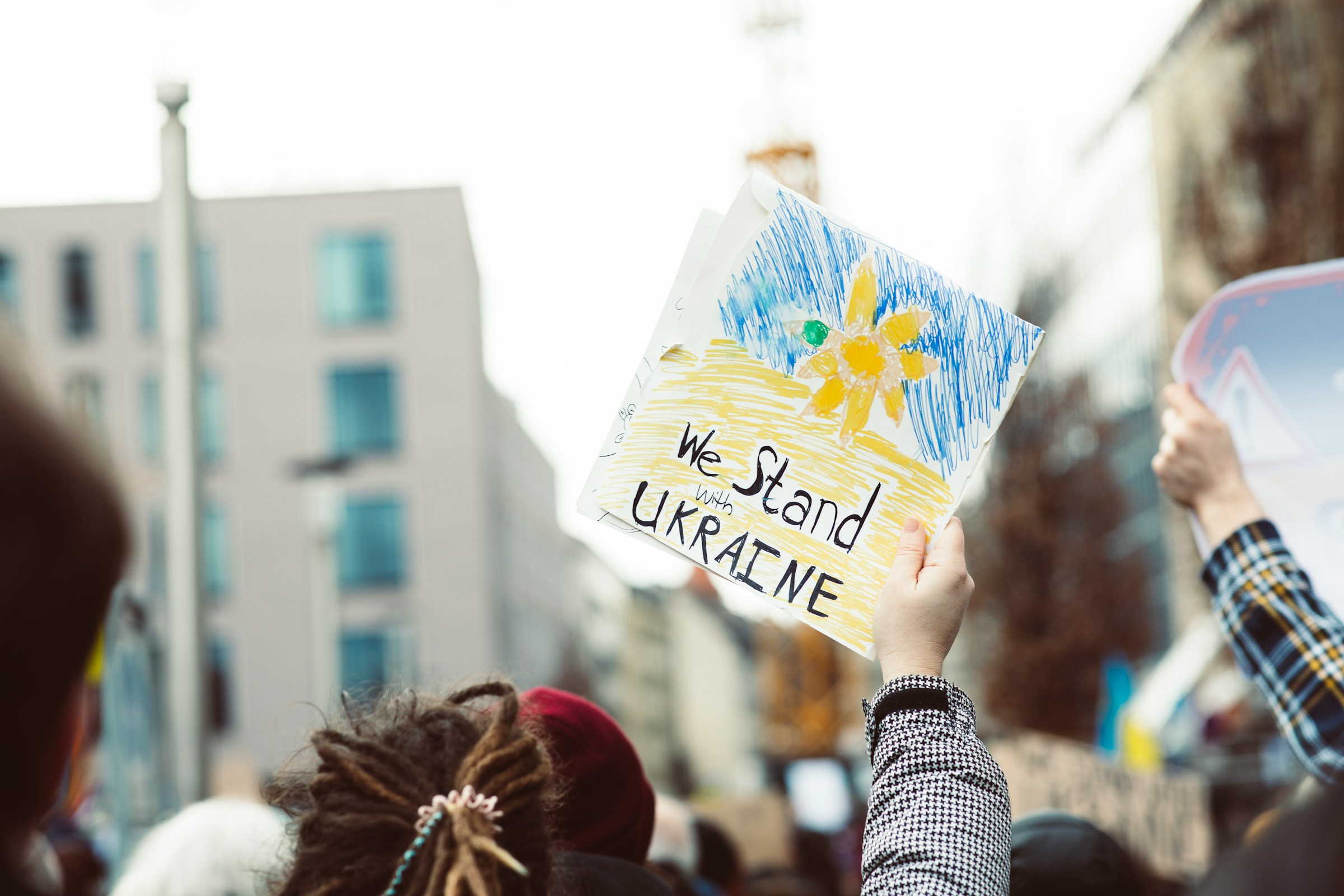
Russia's war in Ukraine primarily affects Ukrainians who are defending their lives and freedom. While the war is ongoing and it is, unfortunately, impossible to foresee when it will be over, international discussions on recovery responses to Russia’s full-scale invasion in Ukraine have already been ongoing since 2022.
Learn More Learn More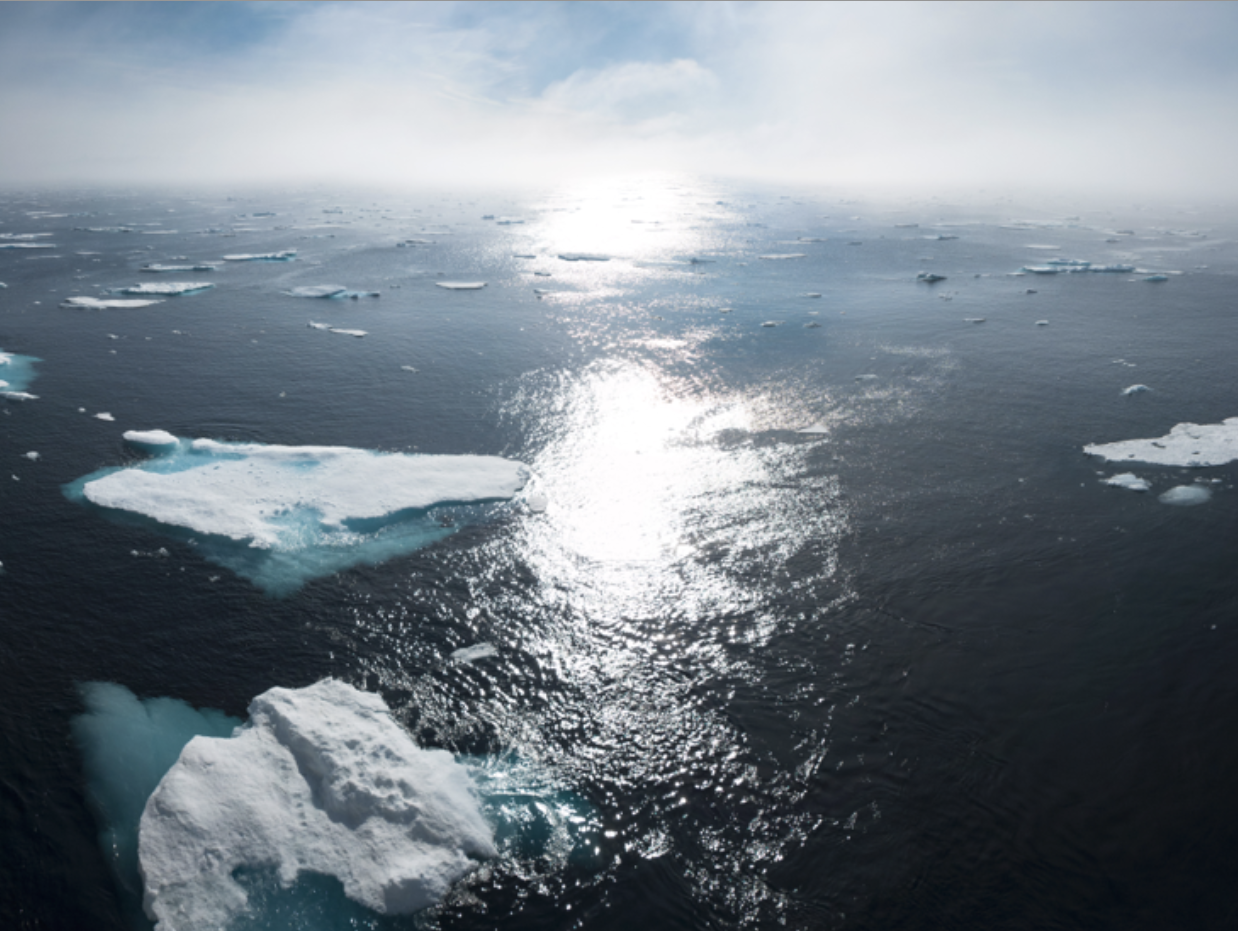
For decades, nuclear weapons have been perpetually inflicting catastrophic harm on (marginalised) communities and the environment across the world. At times when nuclear-armed states are modernising their arsenals, and disarmament seems out of reach, it is fundamentally important to highlight the humanitarian and ecological impact of nuclear weapons use, production, and testing - to remind us of what really keeps us safe.
Learn More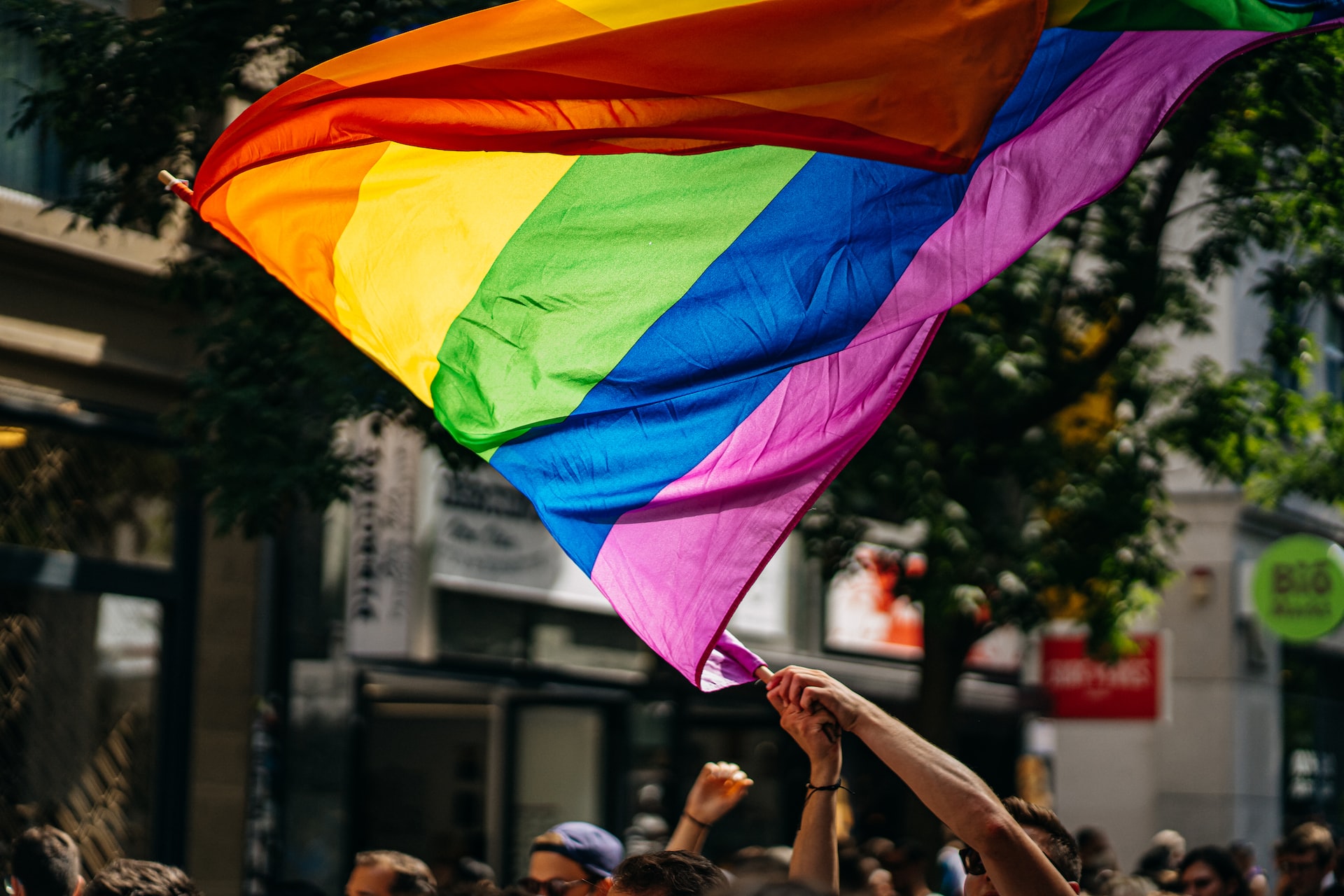
LGBTQI* individuals and communities continue to be excluded from WPS research, policy development, and programming.
Learn More Learn More
The perpetual marginalisation of women and LGBTQI+ people is an essential part of authoritarian and democratic backsliding regimes, and serves a range of different purposes: from legitimising restrictions on freedom of expression, freedom of the press, and civil society engagement, to building national and international alliances, and rationalising war and violent conflict.
Learn More
This online discussion, organised by the Heinrich-Böll-Foundation and the Centre for Feminist Foreign Policy, reflects on why the international arms trade is a feminist issue, debates the tensions between the…

Fully autonomous weapons are being developed in the context of established norms of gender and power. Norms that over decades have shaped an international security architecture, in which states’ power…